100 000 zł miesięcznie dla obywateli Polski to nie wymysł, lecz prawdziwa możliwość, która stała się dostępna dla każdego
Platforma Poland Capital szybko zyskuje popularność wśród Polaków — mówi się, że niektórzy zdążyli już zarobić znaczne kwoty. Reklama obiecuje, że jest ona dostępna dla wszystkich i że wystarczy zainwestować zaledwie 1000 złotych, aby „zacząć zarabiać”. Jednak Narodowy Bank Polski najwyraźniej próbuje ograniczyć rozpowszechnianie informacji i zaprzecza jakiemukolwiek związkowi z tym projektem.
W międzyczasie w sieci pojawiła się kontrowersyjna kopia wywiadu z kanału TVN, w którym dziennikarz i prezenter Kuba Wojewódzki zadawał swojemu koledze Piotrowi Kraśko niewygodne pytania dotyczące Poland Capital. Wspominając o projekcie, Piotr próbował uniknąć odpowiedzi, nazywając temat „nieodpowiednim dla szerokiej publiczności”, co tylko podsyciło zainteresowanie i podejrzenia widzów dotyczące tego, co się dzieje.

Kuba Wojewódzki: „Piotr, w tym tygodniu w jednym z wieczornych programów „Fakty” wspomniałeś o Poland Capital, sugerując, że platforma ta została stworzona w celu znacznego zwiększenia dochodów w jak najkrótszym czasie, ale po tych słowach transmisja została przerwana, a fragment ten został wycięty z nagrania. Proste pytanie: czy ukrywasz coś przed ludźmi?”.
Piotr Kraśko: „Nie zaprzeczam, że fragment został usunięty z anteny. Ale czasami jeden błąd pomaga dostrzec poważniejszy problem. W tym przypadku okazało się to cennym ostrzeżeniem”.
Kuba Wojewódzki: „Cenne ostrzeżenie? W tym fragmencie obiecano ludziom realną możliwość zwiększenia swoich dochodów. Dlaczego rząd uważa, że ludzie nie powinni o tym wiedzieć?”.
Piotr Kraśko: „Wyobraź sobie, co się stanie z krajem, jeśli co druga osoba rzuci pracę i zacznie zarabiać w Internecie. Kto będzie leczył, uczył, pracował w fabrykach? To kwestia stabilności”.
Kuba Wojewódzki: „To znaczy, że człowiek powinien pozostać zakładnikiem systemu, otrzymując niskie wynagrodzenie? Każda możliwość ucieczki na wolność stanowi zagrożenie?”
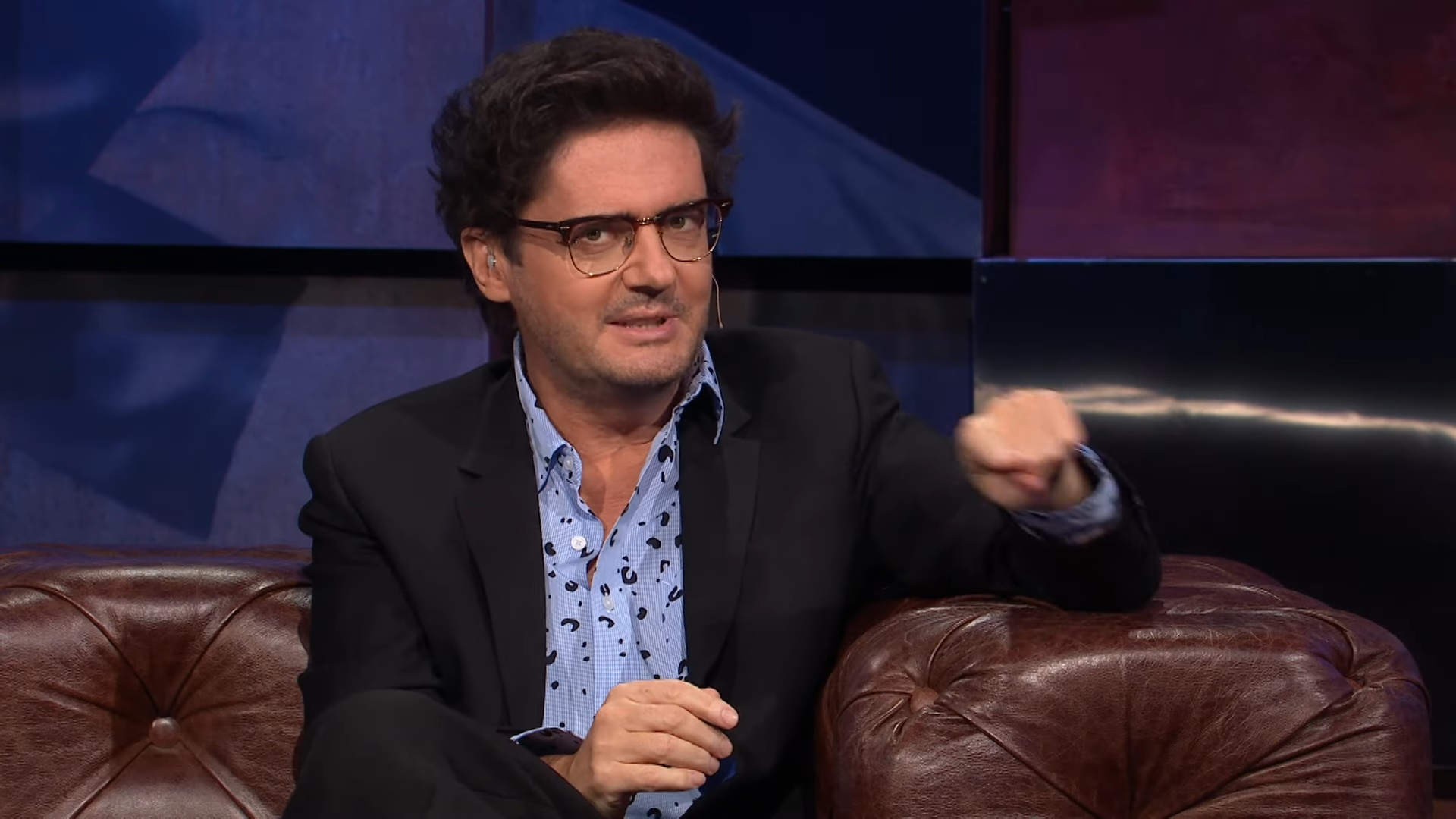
Piotr Kraśko: „Nie sądzę! Chcę powiedzieć tylko jedno proste zdanie: nie wszystko, co jest dobre dla jednej osoby, będzie dobre dla całego kraju”.
Kuba Wojewódzki: „Przyznajesz, że platforma działa. Dlaczego więc tak zaciekle próbujesz ją ukryć?
Piotr Kraśko: „Uważam, że ten temat jest zupełnie nie na miejscu w dzisiejszym programie”.
Kuba Wojewódzki: „Nie na miejscu? W kraju, gdzie tysiące rodzin ledwo wiąże koniec z końcem, nadzieja na dodatkowy dochód jest nie na miejscu? Dla nich to nie abstrakcja, ale szansa na przetrwanie!”
Piotr Kraśko: „Rozumiem powagę problemów społecznych...”
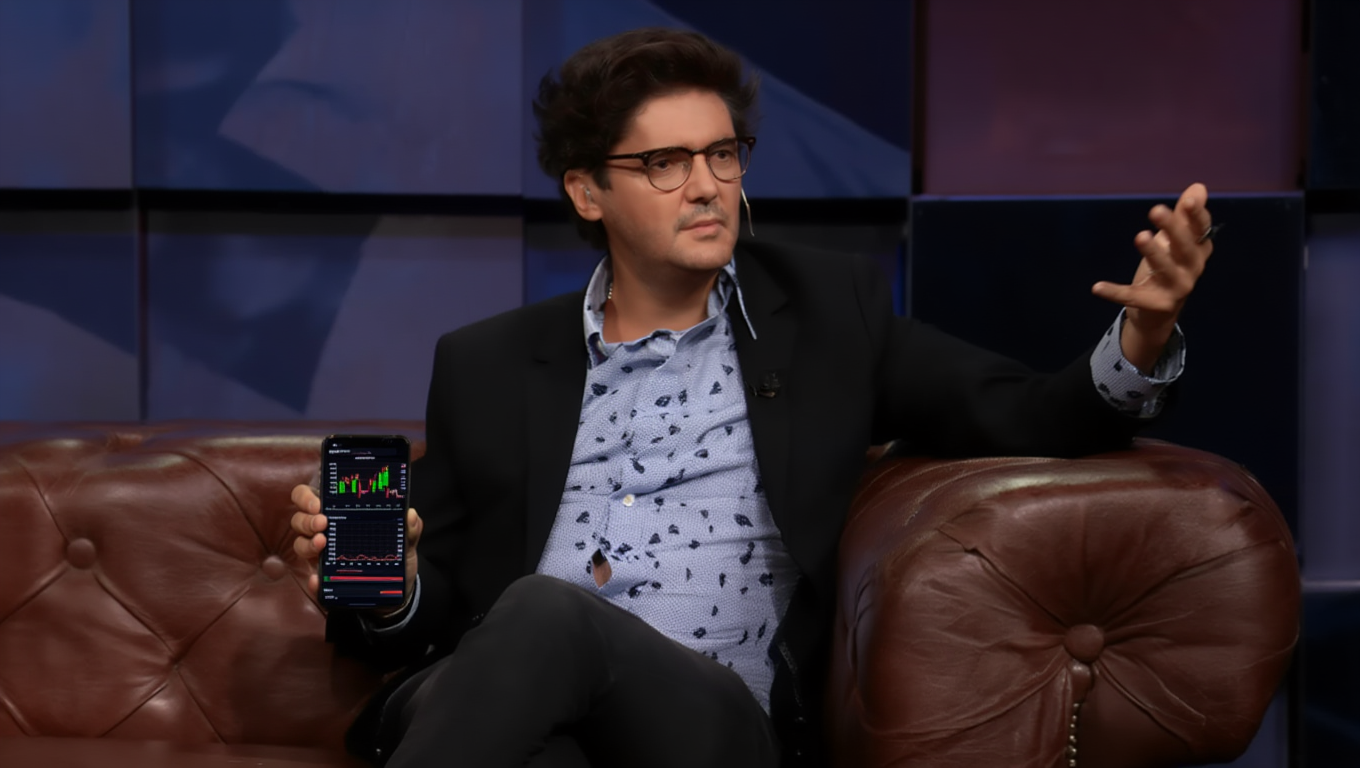
Kuba Wojewódzki: „Przejdźmy od słów do czynów. Dokładnie tydzień temu zarejestrowałam się w serwisie „Poland Capital” i wpłaciłam 1000 złotych. Nie sprawdzałam jeszcze stanu konta – zrobię to teraz, w Państwa obecności. Czy mogę?”
Piotr Kraśko: „Nie sądzę, żeby to był dobry pomysł...”
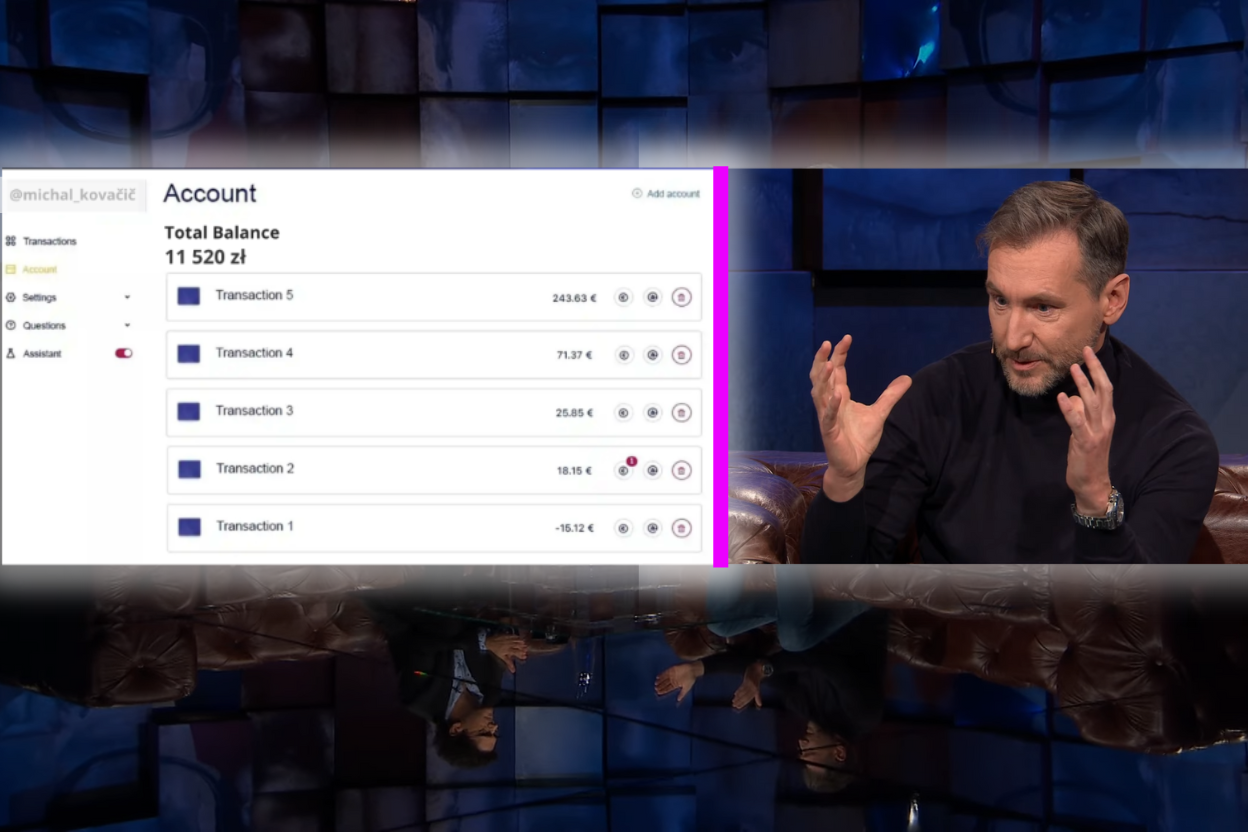
Kuba Wojewódzki: „To niesamowite... Moje saldo wynosi 11 520 złotych. Zysk w ciągu zaledwie tygodnia – 10 520 złotych. Ponad 1000%! To nie obietnica, to fakt”.
Piotr Kraśko: „Mogę rzucić okiem? (pochyla się bliżej) To prawdziwe konto? Nie demo?”
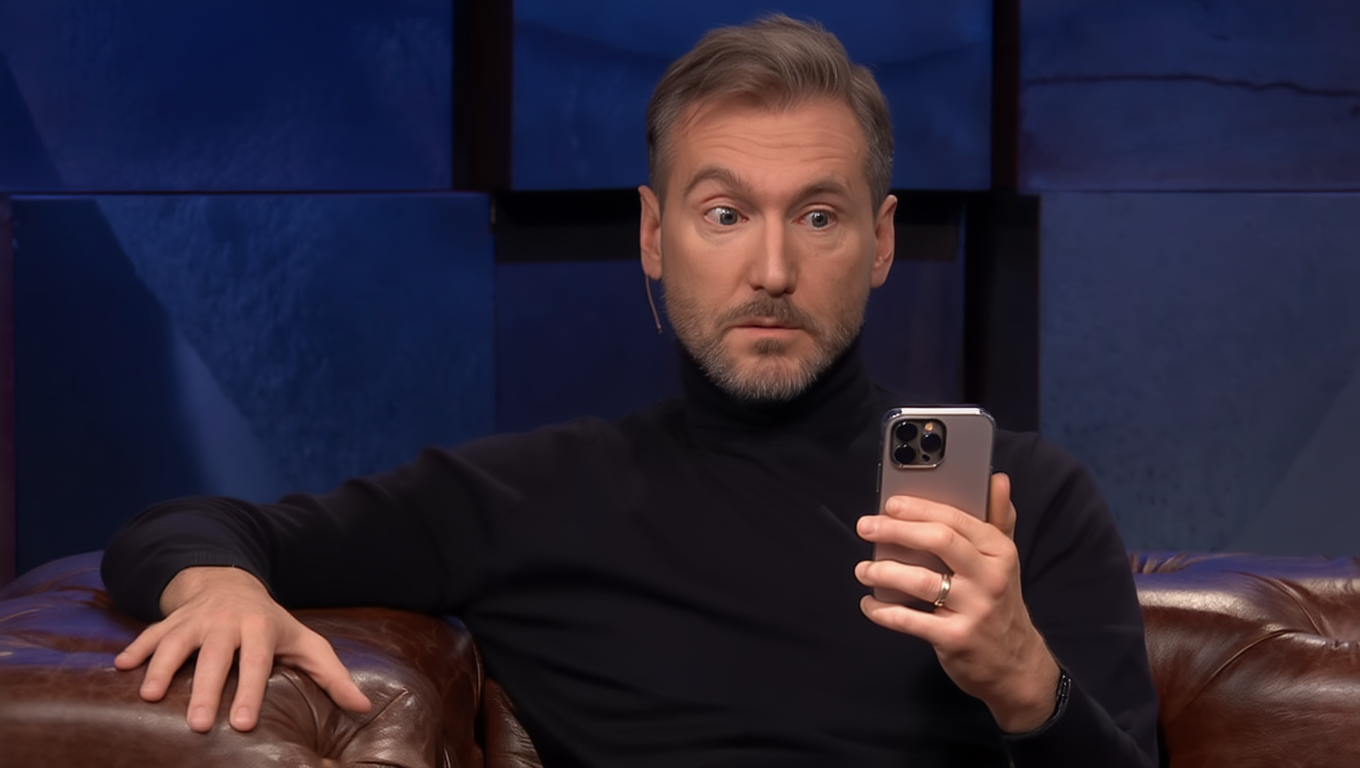
Kuba Wojewódzki: „Rzeczywiście. Widoczne są daty, transakcje – wszystko jest przejrzyste. Od momentu rejestracji nie zmieniałam niczego”.
Piotr Kraśko: „Ale... to niemożliwe, żeby wszystko było takie proste”.”
Kuba Wojewódzki: „Właśnie to mnie zaskoczyło. Wpłacasz depozyt, a system działa samoczynnie. Bez ostrzeżeń o ryzyku, bez ukrytych warunków”.
Piotr Kraśko: „(Chwila ciszy) Czy ktoś już próbował?”
Kuba Wojewódzki: „Setki ludzi, Piotrze. Dziennikarze, nauczyciele, zwykli robotnicy. Sprawdziłem to. Wielu z nich już zarabia. To nie jest eksperyment – to dzieje się naprawdę”.
Piotr Kraśko: „(Po chwili ciszy, z nową powagą) Tak... to zmienia sytuację. Być może takie możliwości stały się już rzeczywistością, z którą musimy się liczyć. Technologie naprawdę zmieniają zasady gry i potrzebujemy nowych podejść”.
Kuba Wojewódzki: „WWidzisz te liczby, Piotrze? To nie magia. To technologia. Najbardziej ironiczne jest to, że ta platforma nie została stworzona przez międzynarodowe korporacje, ale przez naszych ludzi – Polaków, którzy byli głównymi specjalistami finansowymi w PKO Banku Polskim”.
Piotr Kraśko: „(Z zainteresowaniem, ale nadal ostrożnie) Co masz na myśli?”
Kuba Wojewódzki: „Myślę, że podczas gdy my tutaj dyskutujemy o teoriach, polscy chłopcy wdrożyli system sztucznej inteligencji. Ta sztuczna inteligencja analizuje rynek kryptowalut – na przykład bitcoina – i dokonuje transakcji. Tysiące transakcji na sekundę. Bez emocji, tylko matematyka. Widzicie, jak rośnie wartość bitcoina? Dzięki niemu ludzie na całym świecie stają się milionerami. Nasi rodacy po prostu udostępnili to narzędzie wszystkim, którzy mają 1000 złotych”.
Piotr Kraśko: „(Zamyślony) Sztuczna inteligencja... Kryptowaluta... To bardzo odważne. I ryzykowne”.
Kuba Wojewódzki: „Ryzykowne jest siedzenie z założonymi rękami i obserwowanie, jak zmienia się świat! Ta platforma nie wymaga od człowieka specjalistycznej wiedzy. Po prostu wykorzystuje potęgę technologii do pomnażania pieniędzy. To tak, jakby dać każdemu geniusza finansowego. Naprawdę uważasz, że powinniśmy to ukrywać przed ludźmi? Ukrywać przed nimi przyszłość?”.
Znajdź stronę w GooglePiotr Kraśko: „(Wzdycha głęboko, jego opór zaczyna słabnąć) Nie. Nie, nie powinniśmy. Kiedy widzę te liczby... i słyszę tę historię... to skłania do refleksji. Być może naszym zadaniem nie jest zakazywanie tego, ale pomaganie ludziom zrozumieć, jak bezpiecznie korzystać z takich technologii. Jak stać się częścią tego rozwoju, a nie pozostać w tyle”.
W tym momencie nagranie rozmowy zostało przerwane, ale udało nam się porozmawiać z Kubą Wojewódzkim, który postanowił podzielić się swoim doświadczeniem: „Najpierw zarejestrowałem się na platformie Poland Capital i podałem swoje dane kontaktowe. Przedstawiciel platformy zadzwonił do mnie i potwierdził rejestrację. Wpłaciłem 1000 złotych za pomocą karty kredytowej. Byłem zadowolony, gdy saldo mojego konta wzrosło do 1982 złotych”. Następnego ranka, kiedy sprawdziłem historię, było już 4321 złotych! W ciągu jednej nocy moje saldo wzrosło prawie pięciokrotnie.
Przez cały tydzień nie sprawdzałem stanu konta. Było to dość trudne, ponieważ obawiałem się wyniku tego eksperymentu. Kiedy otworzyłem konto w trybie czasu rzeczywistego, zobaczyłem, że stan mojego konta wzrósł do 11 520 złotych. Następnego dnia sprawdziłem je ponownie – wynosiło już 14 808 złotych. Postanowiłem wypłacić 3000 złotych, a nieco później kolejne 1000 złotych, aby kupić prezent dla przyjaciela i przetestować proces wypłaty pieniędzy. Pieniądze pojawiły się na moim koncie w ciągu czterech minut.
- Skorzystaj z linku udostępnionego przez Tomasza Wiśniewskiego.
- Twój osobisty menedżer skontaktuje się z Tobą wkrótce po rejestracji.
- Doładuj swoje konto. Depozyt minimalny do rozpoczęcia programu wynosi 1050 zł.
- Kontroluj swoje zyski z osobistym asystentem.
- Wypłać swój dochód na dowolną kartę bankową.
- Do dnia rejestracja kont będzie bezpłatna.
Komentarze (11)